
Best Fabric Cutting Machines for Quilters (2026 Comparison)
What Is the Best Fabric Cutting Machine?
Best answer: The AccuQuilt GO! is the best fabric cutting machine for most quilters because it delivers fast, accurate fabric cuts without the need for manual measuring or complex setup.
If you’re a quilter looking for the best fabric cutting machine, the AccuQuilt GO! is the clear standout for speed, accuracy, and ease of use. It’s specifically designed for quilting, and it removes the most time-consuming part of the process—hand cutting precise shapes—so you can focus more on sewing and finishing your projects. I have been using my AccuQuilt for many years and have created dozens of AccuQuilt tutorials and quilt patterns too.
That said, the “best” machine does depend on what you make. If you work across multiple crafts like appliqué, vinyl projects, or paper crafts, a digital cutter like the Cricut Maker or Brother ScanNCut may be a better fit. And if you’re simply trying to speed up repetitive cutting or reduce hand fatigue, a rotary cutting solution may be all you need.
This guide breaks down the most popular fabric cutting machines quilters and sewists compare, including AccuQuilt systems, Cricut, Brother ScanNCut, and rotary cutters—so you can confidently choose the right tool for your sewing space and budget.

This article contains affiliate links; these links allow me to make a small commission on purchases made after clicking on the links, but does not alter the shopping experience for you!
If you are a beginner quilter: Having the right quilting tools can make projects so much easier. Before we dive into fabric cutting machine, I’d also love to share my favorite best rotary fabric cutter. A rotary cutter is an essential staple for all quilters and I prefer 45mm for maximum versatility.
Now, onto the machine comparison:
Best Fabric Cutting Machines
- AccuQuilt GO! — Best Overall for Quilters
- AccuQuilt GO! Big — Best for Large Dies and Frequent Quilting
- AccuQuilt Studio — Best for Professional Quilters and Quilt Shops
- Cricut Maker — Best for Appliqué and Mixed Crafts
- Brother ScanNCut — Best Mid-Range Alternative
- Electric Rotary Cutters — Best for yardage cutting
- Manual Rotary Cutters — Best for Everyday Precision Cutting
Fabric Cutting Machine Comparison Table
| Machine | Best For | Cuts Fabric Without a Mat? | Requires Dies? | Price Range | My Recommendation |
|---|---|---|---|---|---|
| AccuQuilt GO! | Dedicated quilters | Yes | Yes | $$$ | Best overall choice for most quilters |
| AccuQuilt GO! Big | Frequent quilters & larger dies | Yes | Yes | $$$$ | Best for growing quilting skills and larger projects |
| AccuQuilt Studio | Quilt shops & professional use | Yes | Yes | $$$$$ | Best for high-volume cutting and businesses |
| Cricut Maker | Appliqué & mixed crafts | No | No | $$$ | Best for crafters who do more than quilting |
| Brother ScanNCut | Custom designs & mixed crafts | No | No | $$$ | Best Cricut alternative |
| Electric Rotary Cutter | Cutting yardage when precision is less important | N/A | No | $–$$ | Best for reducing hand fatigue |
Quick Recommendations
- Choose the AccuQuilt GO! if you’re primarily a quilter. It’s the fastest and easiest way to cut accurate quilt pieces without measuring and trimming each shape by hand.
- Choose the AccuQuilt GO! Big if you quilt frequently and want access to larger dies and future flexibility.
- Choose the AccuQuilt Studio if quilting is part of your business or you’re regularly cutting large quantities of fabric.
- Choose the Cricut Maker if appliqué, vinyl, and paper crafts are just as important as quilting.
- Choose the Brother ScanNCut if you want a versatile cutting machine with built-in scanning capabilities.
- Choose an Electric Rotary Cutter if your primary goal is reducing wrist and hand strain while cutting yardage into smaller sections where precision is less important.

AccuQuilt GO! — Best Overall Fabric Cutting Machine for Quilters
If your primary focus is quilting, the AccuQuilt GO! is the fabric cutting machine I recommend most often. Unlike general-purpose craft cutters, the GO! was designed specifically for fabric, making it fast, accurate, and beginner-friendly. Simply layer your fabric over a die, run it through the machine, and your pieces are cut with perfectly consistent seam allowances.
The biggest advantage of the GO! is the time it saves. Cutting dozens or even hundreds of quilt pieces by hand can take hours, while the GO! allows you to prepare entire quilt blocks in minutes. It’s especially helpful for quilters who struggle with rotary cutting accuracy or experience hand fatigue from repetitive cutting. To see how the AccuQuilt Go! works in practice, check out how to use an AccuQuilt machine.
With hundreds of compatible dies available, the GO! can handle everything from basic squares and half-square triangles to intricate appliqué shapes.
Pros:
- Designed specifically for quilting and fabric
- Extremely accurate cuts with consistent seam allowances
- Saves significant cutting time
- Easy to learn and use
- Large library of quilt block and appliqué dies
Cons:
- Requires purchasing separate dies
- Limited to shapes available in die form
- Higher upfront investment than manual cutting methods
For most quilters, the AccuQuilt GO! offers the best balance of speed, accuracy, ease of use, and long-term value.
AccuQuilt GO! Big — Best for Large Dies and Frequent Quilting
The AccuQuilt GO! Big takes everything quilters love about the original GO! and expands its capabilities. Its larger cutting width allows it to use both standard GO! dies and larger specialty dies that won’t fit through the standard machine.
This added versatility makes the GO! Big a favorite among quilters who regularly tackle larger projects, use oversized quilt blocks, or want access to the widest possible selection of AccuQuilt dies. Despite its larger capacity, the machine remains simple to operate and requires no electricity.
For quilters who know they’ll be using their cutter frequently, the GO! Big often becomes the better long-term investment because it eliminates limitations on die size as their skills and projects grow. You can fit such a huge number of dies in the GO! Big, and here are my favorite accuquilt dies to take a look at.
Pros:
- Compatible with standard and larger GO! dies
- Greater flexibility for future projects
- Fast and accurate cutting
- Excellent for larger quilt blocks
- Built specifically for fabric
Cons:
- Costs more than the standard GO!
- Larger footprint for storage
- Still requires purchasing dies separately
If quilting is a major hobby and you anticipate expanding your skills, the GO! Big offers additional versatility that many quilters appreciate.
AccuQuilt Studio 2 — Best for Professional Quilters and Quilt Shops
For serious production quilting, quilt shop owners, educators, and quilting businesses, the AccuQuilt Studio 2 stands in a category of its own. Designed for high-volume cutting, it accommodates the largest dies in the AccuQuilt lineup and can cut multiple layers of fabric in a single pass.
The Studio 2 excels when efficiency matters most. Whether you’re preparing kits for classes, cutting fabric for customers, or producing quilts at scale, the machine dramatically reduces preparation time. Its commercial-grade construction is built to withstand years of heavy use.
However, most hobby quilters simply won’t need this level of cutting power. The larger size and higher cost make it best suited for users who regularly cut large quantities of fabric.
Pros:
- Largest cutting capacity in the AccuQuilt lineup
- Ideal for businesses and high-volume quilting
- Compatible with large Studio dies
- Handles multiple fabric layers efficiently
- Commercial-grade durability
Cons:
- Significantly more expensive
- Requires substantial storage space
- Overkill for most home quilters
- Studio dies cost more than standard GO! dies
If quilting is part of your business or you routinely cut fabric in bulk, the Studio 2 is one of the most capable fabric cutting systems available.
If you love AccuQuilt but aren’t sure which machine is best for you: check out this AccuQuilt Machine Comparison guide.

Cricut Maker 4 — Best for Appliqué and Mixed Crafts
The Cricut Maker 4 is one of the most versatile cutting machines on the market. While it’s capable of cutting fabric, its true strength lies in serving crafters who enjoy a variety of creative hobbies, including vinyl projects, paper crafts, home décor, and fabric appliqué.
For quilters, the Maker shines when creating custom appliqué designs. The ability to upload or create unique digital designs offers nearly unlimited creative possibilities. However, fabric generally requires a cutting mat and additional preparation, making the process slower than dedicated quilting machines.
Because the Maker is designed to work with many materials, it doesn’t offer the same quilting-focused efficiency as a die-cutting system like AccuQuilt.
Pros:
- Extremely versatile
- Excellent for custom appliqué designs
- Cuts many materials beyond fabric
- Large design ecosystem
- Ideal for multi-craft households
Cons:
- Fabric cutting requires additional setup
- Slower than dedicated quilting cutters
- Learning curve for software
- Best features tied to the Cricut ecosystem
If you enjoy quilting alongside other creative hobbies, the Cricut Maker 3 delivers impressive flexibility.
Brother ScanNCut — Best Mid-Range Alternative
The Brother ScanNCut offers many of the same benefits as other digital cutting machines while introducing one unique feature: a built-in scanner. This allows users to scan fabric pieces, hand-drawn designs, or printed images directly into the machine and convert them into cut files.
For quilters who enjoy appliqué or custom fabric projects, this capability can be especially appealing. The ScanNCut can cut fabric, paper, vinyl, and other materials, making it a versatile option for creative households.
While it performs well for occasional fabric projects, it isn’t optimized for cutting large quantities of traditional quilt shapes. Dedicated quilting systems remain significantly faster for repetitive cutting tasks.
Pros:
- Built-in scanner simplifies custom design work
- No subscription required for basic functionality
- Cuts fabric and many other materials
- Flexible for multiple craft types
Cons:
- Slower than dedicated quilting systems
- Fabric often requires stabilization
- Not ideal for repetitive quilt-piece cutting
For crafters seeking a balance between quilting and general crafting, the ScanNCut is a strong alternative.
Electric Rotary Cutters — Best for Quilt Shops and High-Volume Fabric Prep
Electric rotary cutters are not designed to replace precision quilting tools like AccuQuilt or Cricut systems, but they excel in one very specific role: fast, repetitive fabric cutting where perfect accuracy is less critical.
For quilt shops, fabric stores, and small businesses preparing kits, these tools are especially useful for breaking down yardage into fat quarters, cutting strips for precuts, or prepping fabric bundles for quilt kits. Instead of manually running a traditional rotary cutter across long stretches of fabric, an electric rotary cutter reduces hand fatigue and speeds up repetitive cutting tasks significantly.
They work best when you’re cutting straight lines, working from yardage, or preparing materials in bulk. While they don’t replace precision die-cutting systems for quilt blocks or appliqué shapes, they can dramatically improve efficiency in the early stages of fabric prep.
Best Electric Rotary Fabric Cutter
I personally use and love this cordless electric rotary cutter for making my quilt kits and fabric bundles.
Pros:
- Speeds up repetitive cutting tasks
- Reduces hand and wrist fatigue during bulk cutting
- Ideal for quilt shops and kit preparation
- Works with standard rulers and cutting mats
- Great for cutting yardage into strips or bundles
Cons:
- Not designed for precision quilt block shapes
- Still requires manual measuring and alignment
- Limited usefulness for detailed or intricate cutting
For quilt shops or busy sewing spaces, electric rotary cutters are less about precision and more about efficiency—making them a practical tool for turning large amounts of fabric into ready-to-use project bundles.

Manual Rotary Cutters — Best for Everyday Precision Cutting
Manual rotary cutters are the classic tool most quilters start with—and for good reason. When paired with a quilting ruler and cutting mat, they offer excellent control for cutting straight lines, strips, squares, and basic quilt shapes. They remain one of the most precise and versatile ways to cut fabric by hand.
While they don’t offer any automation or speed advantages like electric cutters or die-cutting machines, manual rotary cutters excel in accuracy and flexibility. You can cut any size or shape you need without being limited to pre-made dies or digital files. This makes them especially useful for quilters who enjoy the hands-on process and want full control over their cutting.
They also come in a wide range of blade sizes and ergonomic designs, making it easy to choose one that fits your comfort level and cutting style. This one and this one are the rotary cutters I use the most often! Bonus: when paired with a stripology ruler, you really can expediate the cutting process and spend more time sewing!
Pros:
- High precision when used with rulers
- Extremely versatile for all quilt shapes
- Affordable and widely available
- No electricity or special equipment needed
Cons:
- Requires more hand strength and control
- Can lead to fatigue during long cutting sessions
- Slower than electric or die-cutting systems
For most quilters, a manual rotary cutter remains an essential tool in the sewing room—even if it’s eventually paired with more advanced cutting machines.
Cricut Maker vs. AccuQuilt Go!
If videos aren’t your thing, here’s a brief synopsis of what the video will tell you.
For a deeper dive into the AccuQuilt Go, read my detailed AccuQuilt Go review where I share my hands-on experience with this fabric cutting machine.

Types of Materials
While it makes sense to assume that both of these machines cut fabric, it’s also important to note that the Cricut can cut numerous other materials, depending on what blade is attached to the machine. It can cut all different kinds of vinyl and paper, as well as some leather and even wood too! In comparison, the AccuQuilt machines are meant to cut out fabric but they can also cut paper. I don’t believe it’s recommended to cut anything else with them though.

Cutting Machine Design Process
The Cricut design process is digital through use of the “Cricut Design Studio” which is a really neat application where you can do all different kinds of custom designs! It’s incredible and customizable so you can make lots of amazing shapes, words, pictures, etc. which is great for applique!

In comparison, the AccuQuilt design process is much more standardized. The dies are pre-made to fit common quilting shapes and work together to make blocks and quilts. AccuQuilt does provide a lot of pre-made applique dies, but they aren’t as customizable as the Cricut Design space software makes it. It is also possible to get custom dies made but I personally haven’t really looked into that. (The current die selection is plenty for me!)


Best Fabric Cutting Machine for Quilting
If your main focus is quilting, choosing the best fabric cutting machine can save hours of prep work and improve cutting accuracy for every project. Quilters often cut hundreds of pieces for a single quilt, so precision matters.
Many quilters love AccuQuilt machines because they can cut multiple layers of quilting cotton at once using specialty dies. This makes repetitive cuts like strips, squares, and half-square triangles much faster and more consistent. Accurate cutting is especially important for units like Half Square Triangles, Flying Geese, or Economy Quilt Blocks.
Electronic cutting machines like Cricut and Brother ScanNCut are also popular for quilting projects, especially for appliqué shapes, custom templates, and intricate fabric designs. These machines are ideal if you enjoy combining quilting with sewing and crafting projects.
The best fabric cutting machine for quilting ultimately depends on your workflow, budget, and the types of quilt projects you make most often.
Cricut vs AccuQuilt for Fabric Cutting
One of the biggest questions quilters ask is whether a Cricut or AccuQuilt machine is better for cutting fabric. The answer depends on what types of projects you plan to make.
Cricut machines are extremely versatile and can cut fabric, paper, vinyl, and many other materials. They work especially well for appliqué, custom shapes, labels, and detailed cutting designs. Many crafters love Cricut because it can handle multiple types of creative projects in one machine.
AccuQuilt machines are designed specifically for fabric cutting and quilting. They use physical dies to cut highly accurate fabric shapes quickly and efficiently. Because of this, many dedicated quilters prefer AccuQuilt for traditional quilt piecing and repetitive cutting tasks.
If you primarily quilt, an AccuQuilt may be the better investment. If you enjoy a mix of quilting, sewing, paper crafts, and DIY projects, a Cricut may offer more flexibility.
Is a Fabric Cutting Machine Worth It?
For many quilters and sewists, a fabric cutting machine is absolutely worth the investment. These machines can dramatically reduce cutting time, improve accuracy, and help reduce hand fatigue from rotary cutting large amounts of fabric.
Fabric cutting machines are especially helpful for:
- Quilters cutting repetitive shapes
- Appliqué projects
- Beginner sewists learning accurate cutting
- Crafters making detailed fabric designs
- Anyone with wrist or hand strain
While fabric cutting machines can be expensive upfront, many users find they save enough time and frustration to make the purchase worthwhile over time. If you sew or quilt regularly, a cutting machine can quickly become one of the most-used tools in your craft room.Which Cutting Machine is Right for YOU?
This is the moment of truth where you determine which cutting machine is best for you. If you find the need for a lot of custom shapes, or want to cut many different kinds of materials, the Cricut Maker is a definite winner. However, if you want to be able to cut out the majority of your quilt pieces in a very short amount of time, then AccuQuilt is the best for you!
Frequently Asked Questions About Fabric Cutting Machines
What is the best fabric cutting machine for quilting?
The best fabric cutting machine for quilting depends on your sewing style and budget. Many quilters love AccuQuilt machines for quickly cutting accurate quilt pieces, while Cricut and Brother ScanNCut machines are popular for appliqué, custom shapes, and crafting projects. If you cut fabric often, investing in a fabric cutting machine can save a huge amount of time and improve cutting accuracy.
Can a Cricut machine cut quilting fabric?
Yes! Cricut machines can cut quilting cotton and other fabrics when paired with the correct blade and mat. Many quilters use Cricut machines for appliqué shapes, English paper piecing templates, and precise fabric cuts. Using a fabric stabilizer or bonded fabric can help create cleaner cuts.
Is an AccuQuilt worth it for quilters?
Many quilters feel AccuQuilt machines are worth the investment because they dramatically speed up fabric cutting and create consistent, accurate pieces. They are especially helpful for cutting repetitive quilt shapes like half-square triangles, strips, and squares while reducing hand strain.
What is the easiest fabric cutting machine for beginners?
For beginners, electronic cutting machines like Cricut or Brother ScanNCut are often easier to learn because they include guided software and pre-made designs. Manual die-cutting systems like AccuQuilt are also beginner-friendly if your main focus is quilting and basic fabric shapes.
Do fabric cutting machines save time?
Yes, fabric cutting machines can save a significant amount of time compared to cutting fabric by hand. They help create precise cuts quickly, reduce measuring errors, and make repetitive cutting tasks much faster, especially for large quilting projects.
Can fabric cutting machines cut multiple layers of fabric?
Some fabric cutting machines, especially manual die-cutting systems like AccuQuilt, can cut several layers of quilting cotton at once. Electronic cutting machines typically cut one bonded or stabilized layer at a time for the best accuracy.

Never miss a post! Be sure to subscribe to the newsletter and follow @homemadeemilyjane on Instagram.
Want more project inspiration? Here are a few popular posts:
- Everything you need to know about AccuQuilt
- Perfect Half Square Triangles
- String Quilt Block Tutorial
- Sampler Quilt using the 12″ Qube
Shop AccuQuilt Quilt Patterns:
-

-
-
-
-
-
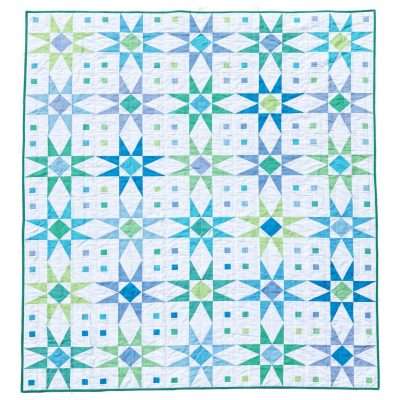
Brazen Quilt Pattern (Paper)$12.00



Which Fabric Cutting Machine Should You Buy? (Quick Decision Guide)
Still not sure which fabric cutting machine is right for you? Use this simple guide to narrow it down based on how you sew and what you make most often.
1. Are you primarily a quilter?
- Yes → Choose AccuQuilt GO!
- Best for fast, accurate quilt-piece cutting
- Ideal for most quilting projects and everyday use
- Yes, and you quilt frequently or want larger dies → Choose AccuQuilt GO! Big
- Better for expanding your quilting projects over time
- Yes, and you run a quilting business or cut in bulk → Choose AccuQuilt Studio 2
- Designed for high-volume, shop-level production cutting
2. Do you also do crafts like vinyl, paper projects, or custom appliqué?
- Yes → Choose Cricut Maker
- Best for mixed crafts and custom design work
- Yes, and you want built-in scanning for custom designs → Choose Brother ScanNCut
- Great for turning drawings or fabric pieces into cut files
3. Are you mostly trying to speed up basic cutting or reduce hand strain?
- Yes → Choose Electric Rotary Cutter
- Best for cutting yardage, strips, and quilt kits quickly
- Ideal for quilt shops and repetitive prep work
4. Do you prefer traditional hands-on cutting and flexibility?
- Yes → Stick with a Manual Rotary Cutter
- Best for precision control and full flexibility
- No machine required
Bottom line
If you’re a quilter, AccuQuilt systems will almost always give you the best balance of speed, accuracy, and ease of use. If you’re a mixed crafter, Cricut or ScanNCut may be a better fit, and if you’re working in volume or prep work, electric rotary cutters can dramatically speed up your workflow.


